AgTech & Supply Chain
The smallholder farmer — managing less than two hectares, often without formal land title, dependent on rainfall and local input dealers — is both the backbone of South Asian food production and the person most exposed to climate, price, and market risk. The real gap is trusted, low-friction infrastructure that connects smallholder output to premium markets through verifiable supply chains.
Real opportunities right now.
Pakistan's mango, citrus, and basmati rice export sectors face persistent rejection at EU and Gulf ports due to traceability and residue compliance gaps — a solvable technology problem with significant export value at stake.
Livestock is the primary asset class for smallholder households across Pakistan, Bangladesh, and Nepal; digital tagging, basic health records, and linked insurance represent an almost entirely open market.
South Asian governments are increasingly mandating e-invoicing and procurement digitization for agricultural supply chains — creating regulatory tailwinds for digital record-keeping platforms at the farm gate.
Micro-contract farming models linking verified smallholder clusters to institutional buyers are proving viable in India and Bangladesh and are replicable at low cost.
Who funds this sector.
AgTech, market systems, and smallholder livelihoods across South Asia and Sub-Saharan Africa
Private sector investment in agri-supply chain infrastructure, cold chain, and food processing in emerging markets
Patient capital for social enterprises in agriculture, food, energy, and health in South Asia and East Africa
Technology-enabled market systems that improve outcomes for smallholder farmers and informal workers
Rural finance, smallholder agriculture, and supply chain development; active country programs in Pakistan, Bangladesh, Nepal
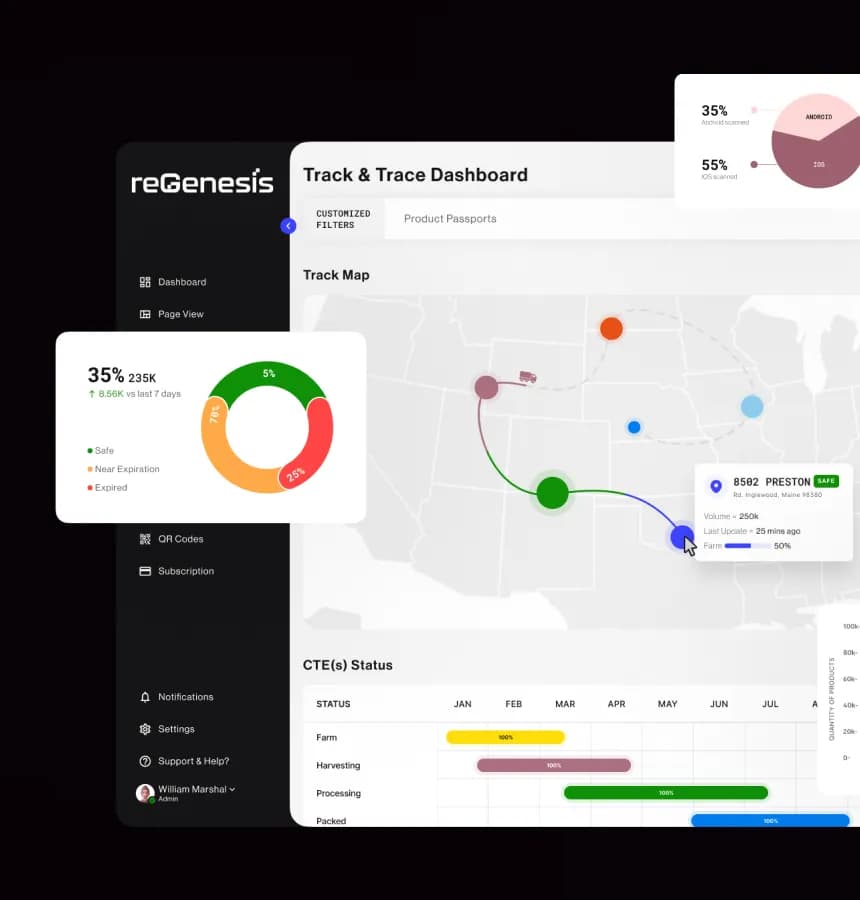
Projects we have built.









Working in AgTech & Supply Chain?
Let's talk.
We know this sector. If you have a mission inside it and need a thinking partner — strategy, design, or build — we're the call worth making.